
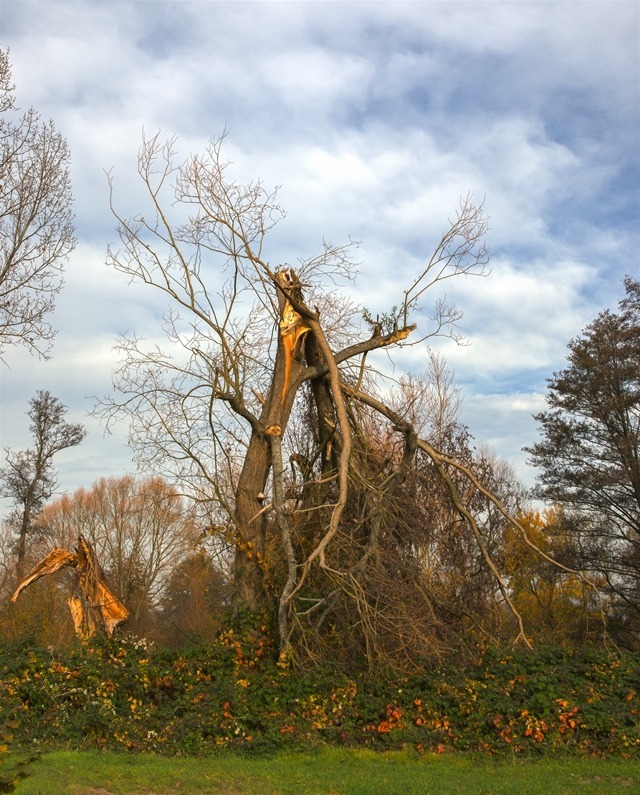
How to Identify Hazardous Trees Before They Become a Safety Risk
Trees add beauty, shade, and value to your property—but they can also become a serious safety concern when they are damaged, diseased, or structurally unstable.
Many homeowners don’t realize a tree is dangerous until a large limb falls, a storm causes damage, or the tree begins leaning toward a home or vehicle. The good news is that many warning signs can be identified early with regular inspections.
Knowing what to look for can help prevent costly property damage and keep your family safe.
Why Hazardous Trees Should Never Be Ignored
A tree may look healthy from the outside while developing serious internal problems.
Common causes of hazardous trees include:
- Disease and decay
- Storm damage
- Dead or weakened branches
- Root problems
- Poor structural growth
- Age-related decline
In Michigan, heavy snow, ice, strong winds, and seasonal storms can put additional stress on trees, increasing the risk of failure.
1. Large Dead or Hanging Branches
One of the most obvious warning signs is dead or broken limbs.
These branches may fall unexpectedly, especially during:
- Wind storms
- Heavy snowfall
- Ice accumulation
Look for:
- Bare branches with no leaves
- Cracked limbs
- Hanging branches caught in the canopy
- Large limbs resting against other branches
Dead branches are more than a cosmetic issue—they can become dangerous projectiles during severe weather.
2. A Tree That Is Leaning Suddenly
Some trees naturally grow at slight angles, but a new or increasing lean can indicate a serious problem.
A leaning tree may have:
- Root damage
- Soil instability
- Storm-related injury
- Structural weakness
Pay close attention after heavy rain or storms.
Warning signs include:
- Raised soil around the base
- Exposed roots
- Cracking near the trunk
- The tree leaning toward a home, driveway, or power lines
A leaning tree should be evaluated quickly by a professional.
3. Trunk Damage, Cracks, or Cavities
The trunk is the main support system of a tree. Damage here can compromise the entire structure.
Watch for:
- Large cracks
- Splitting bark
- Hollow areas
- Missing bark
- Fungal growth near the trunk
Cavities and decay can weaken the inside of a tree even if the outside still appears strong.
A tree with significant internal damage may fail without warning.
4. Root Problems Around the Base of the Tree
Healthy roots are what keep trees standing.
Root issues are often overlooked but can create some of the most dangerous situations.
Signs of root problems include:
- Mushrooms growing near the base
- Soil heaving or lifting
- Exposed or damaged roots
- Tree movement during wind
- Poor drainage around the tree
Root decay can weaken the tree’s foundation and increase the chance of falling.
5. Signs of Disease or Rapid Decline
Trees affected by disease may become unstable over time.
Common warning signs include:
- Sudden leaf loss
- Dead branches throughout the canopy
- Discolored leaves during the growing season
- Fungal growth
- Rapid decline
Michigan trees are affected by diseases such as:
- Oak wilt
- Dutch elm disease
- Apple scab
- Root rot
Early identification can sometimes save a tree—or prevent disease from spreading to nearby trees.
What To Do If You Notice These Warning Signs
If you see signs of a hazardous tree:
Do:
✅ Keep people and pets away from the area
✅ Avoid parking vehicles underneath damaged trees
✅ Schedule a professional tree inspection
✅ Take photos to document concerns
Don’t:
❌ Climb the tree yourself
❌ Attempt large limb removal
❌ Use a chainsaw on unstable trees
Tree removal and hazardous limb removal require proper equipment, training, and safety procedures.
Why Professional Tree Inspections Matter
A professional tree service can identify problems that homeowners may miss.
Experts evaluate:
- Tree structure
- Branch strength
- Root stability
- Disease symptoms
- Overall risk level
A professional assessment can help determine whether your tree needs:
- Pruning
- Maintenance
- Cabling/support
- Removal
Prevent Tree Emergencies Before They Happen
The best time to address tree problems is before a major failure occurs.
Routine tree care can help:
- Remove dangerous limbs
- Improve tree structure
- Reduce storm damage risk
- Protect your home and property
Regular maintenance is especially important before Michigan’s severe weather seasons.
Protect Your Property With Professional Tree Care
A hazardous tree can quickly become a danger to your home, family, and neighbors. If you notice warning signs, don’t wait until a storm turns a small problem into a major emergency.
County Tree II provides professional tree inspections, trimming, removal, and storm damage services throughout Michigan.
🌳 Get your trees evaluated today.
📞 Contact County Tree II for a free estimate
🌐 https://countytreellc.com/
Healthy trees are an investment—protect them before they become a liability.